Biosecurity Rules Every Importer Should Know Before Shipping to Australia
Australia’s biosecurity system exists to protect the country from pests, diseases, and contamination that could damage agriculture and the environment. For importers, it also means extra steps that don’t exist in a lot of other countries and getting them wrong can mean your goods are held, treated, re-exported, or in some cases destroyed.
Why Biosecurity Checks Exist
Australia’s isolation has kept it free from many pests and diseases common elsewhere, and the government works to keep it that way. That means goods arriving from overseas are assessed for biosecurity risk before they’re allowed to circulate freely.
Which Goods Get the Most Attention
Generally, the closer your goods are to plant, animal, or soil material, the more scrutiny they’ll face. This includes:
- Food products, particularly anything intended for sale
- Timber, wooden packaging, and furniture
- Anything containing plant or animal material
- Used equipment (machinery, vehicles, footwear) where soil or organic residue could be present
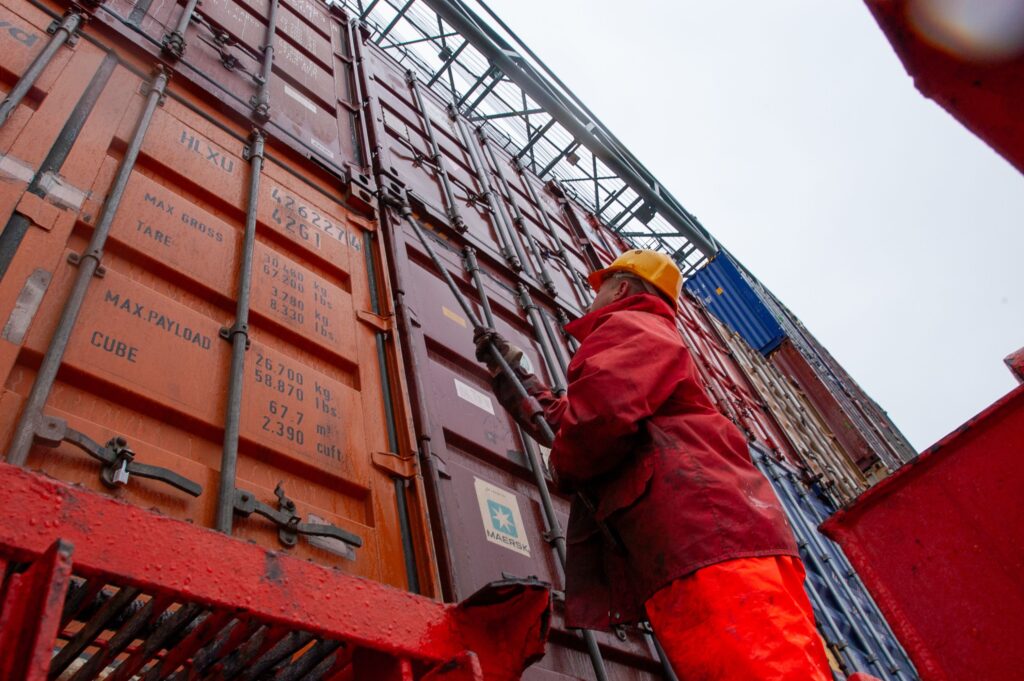
Even something as small as a speck of soil on a shipping container can trigger a hold.
How to Check Import Conditions in Advance
Australia’s Biosecurity Import Conditions system houses conditions for tens of thousands of plant, animal, and biological products, letting you check upfront whether your goods can be imported and what’s required. It’s a useful first step, but it doesn’t lodge permits or clear your goods on arrival — that part still needs to go through a licensed customs broker.
What Happens If Goods Are Held
If a shipment is flagged, it may require:
- A biosecurity inspection
- A treatment (such as fumigation) before release
- Additional documentation or certification
- In some cases, re-export or destruction, if the risk can’t be managed
This is exactly where having a broker involved before shipping — not after — makes the biggest difference. Checking requirements in advance means fewer surprises once your goods are already in transit.
FAQ's
1. What documents are required to import goods into Australia?
Most shipments require a Commercial Invoice, Packing List, Bill of Lading or Air Waybill, and any permits or certificates applicable to the goods being imported.
2. What happens if my import documents are incorrect or incomplete?
Missing or inaccurate documents can delay customs clearance, lead to requests for additional information, or result in inspections and extra costs.
3. Do all imports need a Certificate of Origin?
No. A Certificate of Origin is only required when claiming benefits under an eligible free trade agreement or when specifically requested for certain goods.
4. Which goods require import permits or biosecurity approval?
Products such as food, plants, timber, animal products, seeds, and other regulated items may require permits or biosecurity clearance before they can be released.
5. Can a customs broker help prepare my import documents?
Yes. A licensed customs broker can review your paperwork before your shipment arrives, identify any missing requirements, and manage the customs clearance process to help avoid unnecessary delays.