Importing a Used Vehicle to Australia What You Need to Know
Importing a Used Vehicle to Australia What You Need to Know
Importing a used vehicle into Australia is more involved than importing most other goods — vehicles are subject to a separate approval process on top of standard customs and biosecurity requirements. If you’re considering it, here’s what actually matters before you commit to a purchase overseas.
Not Every Vehicle Can Be Imported
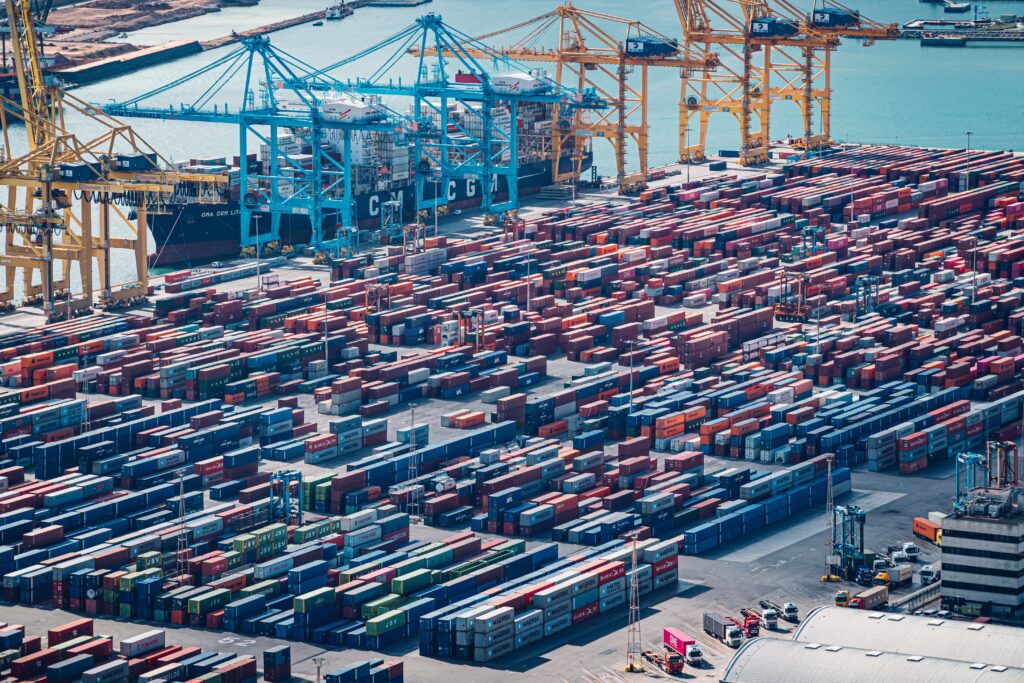
Australia has specific rules about which vehicles are eligible for import, based on factors like the vehicle’s age, type, and whether it meets Australian design and safety standards. Before you buy anything overseas, it’s worth checking whether that specific vehicle is eligible — finding out after the purchase is a far more expensive mistake than checking beforehand.
Vehicle Approval, Separate From Customs Clearance
Vehicle imports typically require an import approval in addition to standard customs clearance. This is a distinct step from clearing general cargo, and it’s one of the most common areas where first-time vehicle importers get caught out — assuming that once a vehicle clears customs, it’s ready to drive. In most cases, there are further steps before a vehicle can be registered for road use in Australia.
Biosecurity Requirements for Vehicles
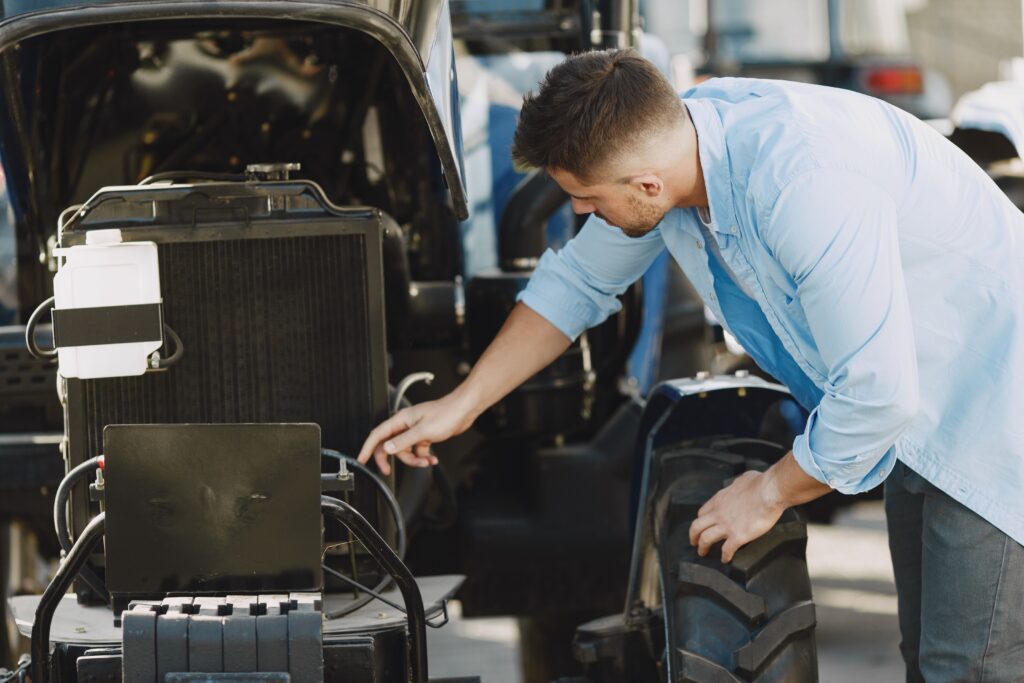
Vehicles are treated as a biosecurity risk category, largely due to the possibility of soil, plant material, or contamination on the undercarriage, tyres, or engine bay. Before a vehicle is released, it’s generally cleaned and inspected to confirm it meets biosecurity standards. Budgeting time and cost for this step upfront avoids surprises later.
Shipping the Vehicle
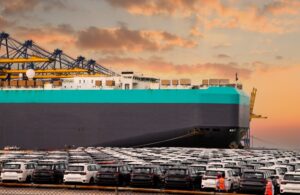
Vehicles are usually shipped either by container (more protection, higher cost) or as roll-on/roll-off cargo (cheaper, less protection). Which option makes sense depends on the vehicle’s value, condition, and how much handling risk you’re comfortable with.
What Happens Once It Arrives
Once your vehicle clears customs and biosecurity, it still needs to go through registration requirements in your state before it can legally be driven. From our base in Lidcombe, NSW, we coordinate road transport to get the vehicle from the port to wherever it needs to go next.
The Practical Take away
Importing a used vehicle can absolutely be worth it — but it’s a process with more steps than most people expect, and getting the sequencing wrong (buying first, checking eligibility second) is the most common and costly mistake. Check eligibility before you buy, not after.
Thinking about importing a vehicle? Get in touch before you commit to a purchase, and we’ll walk you through what’s actually required for your specific situation — call or WhatsApp us on 0433 691 589.
1. What documents are required to import goods into Australia?
Most shipments require a Commercial Invoice, Packing List, Bill of Lading or Air Waybill, and any permits or certificates applicable to the goods being imported.
2. What happens if my import documents are incorrect or incomplete?
Missing or inaccurate documents can delay customs clearance, lead to requests for additional information, or result in inspections and extra costs.
3. Do all imports need a Certificate of Origin?
No. A Certificate of Origin is only required when claiming benefits under an eligible free trade agreement or when specifically requested for certain goods.
4. Which goods require import permits or biosecurity approval?
Products such as food, plants, timber, animal products, seeds, and other regulated items may require permits or biosecurity clearance before they can be released.
5. Can a customs broker help prepare my import documents?
Yes. A licensed customs broker can review your paperwork before your shipment arrives, identify any missing requirements, and manage the customs clearance process to help avoid unnecessary delays.